
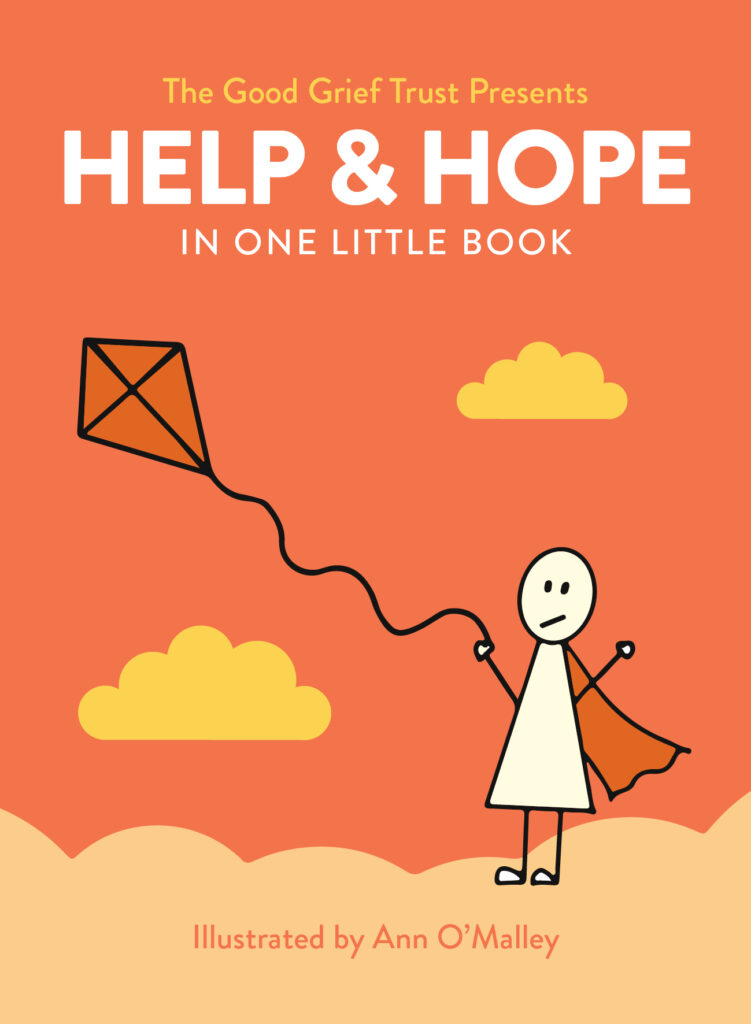
Help and Hope, by Greg Wise
- A little pocketbook, (A6) to guide those who are bereaved through their grief
- Offers help and hope to anyone grieving
- Normalises feelings, explores the reality of grief
- A perfect gift to yourself, or to a grieving friend or family member
Available for purchase through our shop.
LOOK FOR THE ROBIN
Thank you to Author – Jane Somers for offering a donation of £1 to The Good Grief Trust for every book sold.
Good Grief customers will receive a £1 discount when ordering via this link – Please use the CODE GGT when purchasing this book.
Author’s website: https://janesomersauthor.com
Look For The Robin is a beautifully illustrated, uplifting, rhyming story which comforts grieving children who are missing someone special.
The friendly Robin acts as a messenger between children and their loved ones, reminding them that they are always watching over them and they are still very much loved.
This book gives children something positive to focus on both during a devastating time in their lives and beyond.
Look For The Robin shows how love can endure and continue in the hearts of those left behind.
Through the pages of this book,
Robin magically weaves.
With a special purpose,
To help a child who grieves.
Little Robin flies down,
From the skies above.
Just to comfort children,
With messages of love.
Share this story with a child.
Help them feel secure.
Loved ones still watch over them,
And true love will endure.
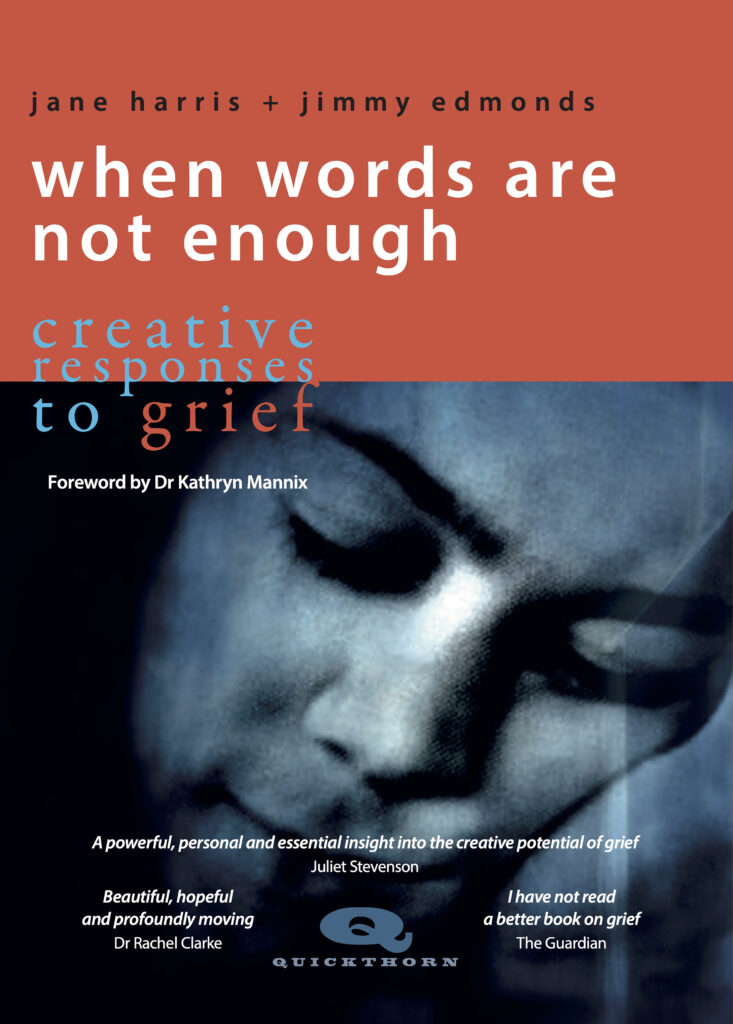
When Words Are Not Enough, by Jane Harris & Jimmy Edmonds
Jane Harris is a psychotherapist and bereavement specialist. Jimmy Edmonds is a photographer and documentary film editor with over 100 credits on TV productions including the BAFTA winning Chosen for Channel 4.
Together they run Active Grief Retreats as The Good Grief Project. This is their first book, exploring active and creative responses to grief and how they can help you to survive.
Link to 4 minute film
https://thegoodgriefproject.co.uk/our-books/
Link to publisher page
https://www.quickthornbooks.com/title-list/when-words-are-not-enough/

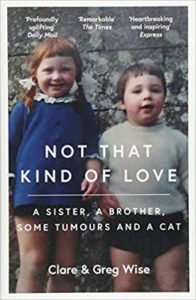
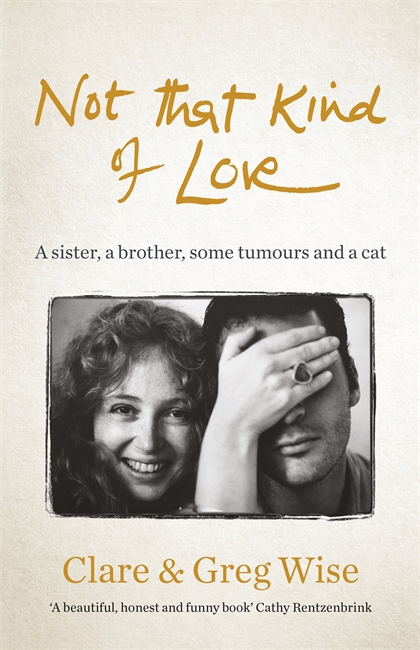
Not that Kind of Love, by Clare & Greg Wise
It is more than a year since Clare Wise, sister of the actor Greg Wise, died of cancer. She lived just down the street from the West Hampstead house her brother shares with his wife, Emma Thompson, and their daughter, Gaia. As Greg opens his front door and leads the way into his kitchen, one can see, within minutes, why he was such an indispensable carer to his sister during the last weeks of her life. Today, he has organised elevenses with good coffee and patisserie. As an actor, he is routinely cast as a reprobate (Mountbatten in The Crown a debatable exception). In life, he could not be nicer if he tried. And that’s precisely it: he does not appear to be trying – the charm is not fake. When I ask him how he is feeling about Clare’s death now, his eyes fill.
“I’ve had very few days when I’ve not been actively doing something about Clare, be it probate, sorting out her flat, moving furniture – or just the book.” The book is Not That Kind of Love and is a shared effort, written by Clare and Greg. It is fuelled by wisdom and wisecracks, a story of brotherly, and sisterly, love. Clare was 18 months Greg’s senior (he is 51) and worked for the UK Film Council and as vice president of Universal Pictures. She started a blog in 2013 (although the first lump in her breast was found in 2007) and her take on illness drew a crowd – 96,000 hits (by 2015). No wonder: her style is gallant, funny, self-deprecating. It was not until June 2015 that cancer made its terrible comeback into her bones and Greg moved into her flat to take care of her and Grably (her attention-seeking cat). He also took over the blog when she became too sick to write.
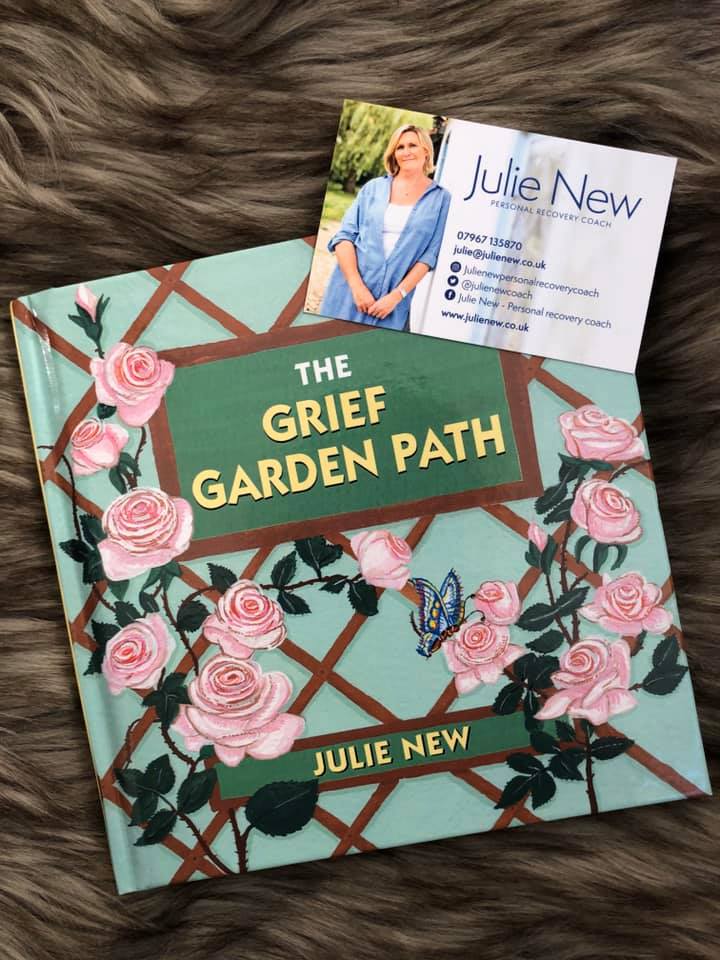
The Grief Garden Path, by Julie New
We are delighted to promote Julie's book as the GOOD GRIEF chosen read for 2020, a year like no other.
Julie has written this insightful and heartfelt book from a powerful place. A place that has a true depth of understanding, derived from her lived experience and empathy for those who are affected by the death of someone they love.
She offers hope, guidance and a unique way of encouraging us to think about our ‘garden’, our ‘life’, that she believes needs tending with care and regular watering. It is a simple, effective analogy that helps illustrate the importance of self-care when going through a life changing ordeal, such as a bereavement.
We often lose sight of ourselves when we are grieving, so it is vital we find a way to nurture our soul.
Thank you to Julie for donating £1 to The Good Grief Trust for every book sold.

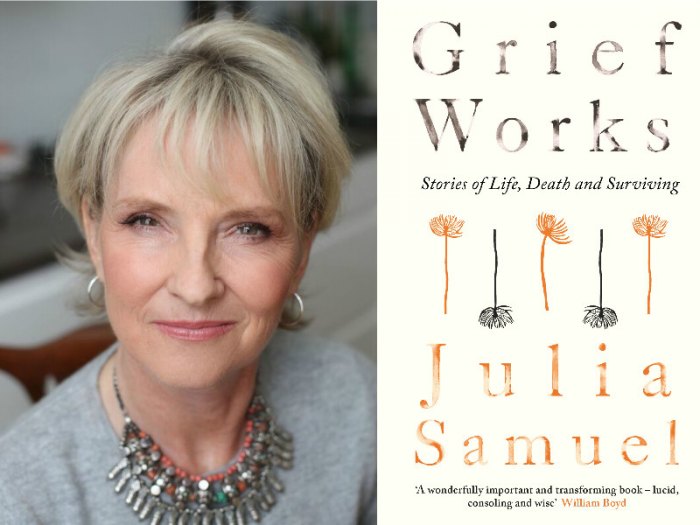
Grief Works, by Julia Samuel MBE
Julia Samuel MBE is a psychotherapist specialising in grief, who has spent the last twenty-five years working with bereaved families. She has worked both in private practice and in the NHS at St Mary’s Hospital Paddington where she pioneered the role of maternity and paediatric psychotherapist. In 1994 she worked to launch and establish Child Bereavement UK as its Founder Patron, where she continues to play a central role. Julia was awarded an MBE in the 2015 New Year’s Honours list for services to bereaved children. Grief Works is her first book.
"Death is the last great taboo, and its consequence, grief, is profoundly misunderstood"
‘Grief Works’ is a compassionate book demonstrating how an examined death is as important as an examined life. It shows us through vivid case studies, that when we face our fears: the death of someone we love, our own death or being with bereaved friends, we are paradoxically, better able to cope with them.
Read more; Grief Works
Books that may be useful
The Grief Garden Path
Julie has written this insightful and heartfelt book from a powerful place. A place that has a true depth of understanding, derived from her lived experience and empathy for those who are affected by the death of someone they love. She offers hope, guidance and a unique way of encouraging us to think about our ‘garden’, our ‘life’, that she believes needs tending with care and regular watering.
Thank you to Julie for donating £1 to The Good Grief Trust for every book sold.
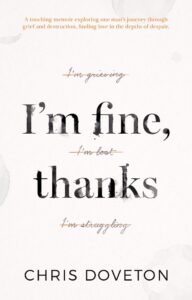
I’m Fine, Thanks
A heart-wrenching journey of love, grief and redemption. Chris and Anne are enjoying a loving marriage in the prime of their lives when Anne is diagnosed with a rare and fatal genetic disease. For ten years, Chris and Anne endure this terrible secret alone.
After Anne’s death, Chris, ravaged by crippling grief, realises that his survival depends upon him ridding himself of his stiff upper lip. He must learn to open his heart and cry.
Saved from the depths of misery by life-saving therapy, he discovers a life beyond despair, rekindles his lapsed faith and finds love again.
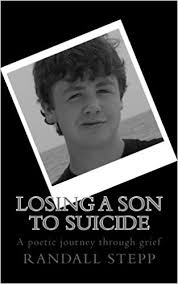
Losing a son to suicide: A poetic journey through grief
Simply losing a child would have been difficult enough, but once you add suicide tothe equation it can almost seem insurmountable. But it is possible to weather this storm and learn to live again.
Not That Kind of Love
A year after the death of his beloved sister, Wise talks about caring for Clare in her last days, and the blog, now a book, they wrote together
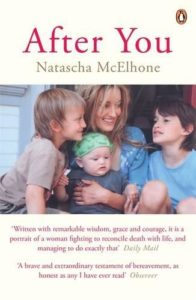
After You
Letters of Love, and Loss, to a Husband and Father by Natascha McElhone
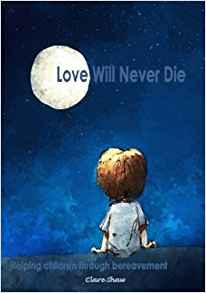
Love Will Never Die: Helping children through bereavement
Clare Shaw- Using direct but child-friendly language, it addresses the mixed emotions felt by a child during times of bereavement and offers support and understanding.
Inside Grief
Rowan Williams-This book is hardly a preparation for grief – how could it be. But it is a helpful insight into what grief looks like from inside. That knowledge alone will help you avoid delivering the kind of crass statement, insensitive comment and crushing platitude that – even with the best intention, invariably only makes things worse.
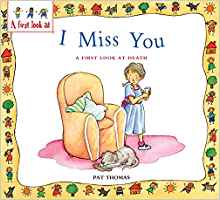
Death, I Miss You (A First Look At)
Pat Thomas- This reassuring picture book explores the difficult issue of death for young children. Children’s feelings and questions about this sensitive subject are looked at in a simple but realistic way.
Badger’s Parting Gift
Susan Varley- Badger is old and knows he will soon die. He tries to prepare his friends and family by giving them lots of wise words, which also helps them deal with their grief when he does die
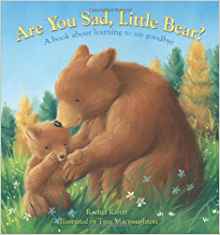
Are You Sad Little Bear?
Rachel Rivett- a beautifully written little book to help explain the death of a grandparent to young children
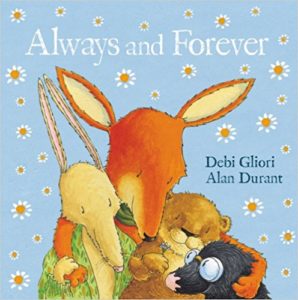
Always and Forever
Alan Durant-a book written to explain death to young children delicately and sensitively
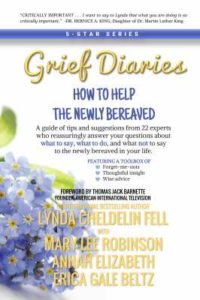
Grief Diaries: How to Help the Newly Bereaved
Linda Cheldelin Fell-a guide full of useful tips to answer questions about what to say, what to do, and what not to say to someone facing loss.
The Grief Survival Guide: How to navigate loss and all that comes with it
Jeff Brazier-provides guidance and advice to the bereaved from personal experience
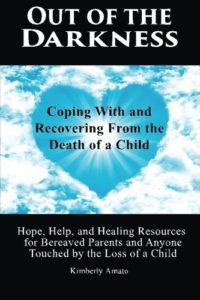
Out of the Darkness
Coping With and Recovering From the Death of a Child: Hope, Help, and Healing Resources for Bereaved Parents and Anyone Touched by the Loss of a Child
The Art of Dying
Peter Fenwick-“A new book to help the dying, their loved ones and their health care workers better understand the dying process and to come to terms with death itself.” Amazon
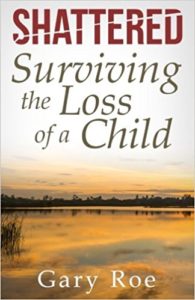
Shattered:Surviving the death of a child
Gary Roe-“In Shattered, Gary Roe utilizes the stories and journeys of many bereaved parents to walk the reader from shock to hope. Gary is no stranger to the reality of grief and utilizes his unique empathy and understanding gained though a lifetime of working with the bereaved to create a truly healing book.” -Glen Lord, President/CEO, The Grief Toolbox; President, National Board of Directors, The Compassionate Friends, father of Noah Thomas Emory Lord, who died at age 4½
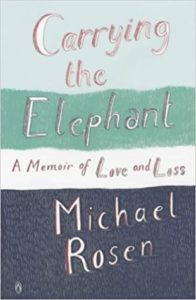
Carrying the Elephant: A Memoir of Love and Loss
Michael Rosen-a collection of poems about his life, including around the time of death of his 18 year old son. He records all events with painful honesty
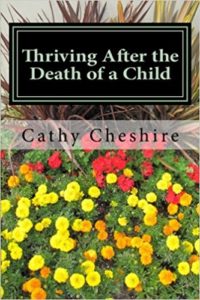
Thriving After the Death of a Child
Cathy Cheshire-written after the death of her child, she wants to show how she has survived her trauma and gone on to live life to the fullest. She has gone on to not only survive but thrive
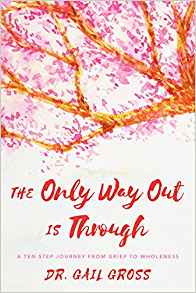
The Only Way is Through
Dr Gail Gross-A guide to help the bereaved live again
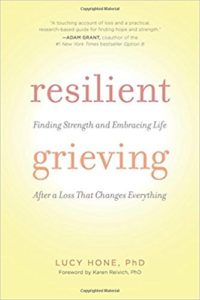
Resilient Grieving: Finding Strength and Embracing Life After a Loss That Changes Everything
Lucy Hone-“This book aims to help you relearn your world . . . to help you navigate the grieving process as best you can–without hiding from your feelings or denying the reality, or significance, of your loss.”
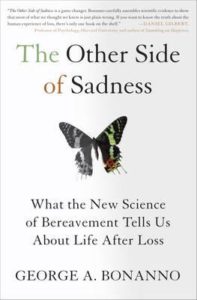
The Other side of Sadness
George Bonnano- examines how our inborn emotions,anger and denial, but also relief and joy,help us deal effectively with loss. And grieving goes beyond mere sadness: it can deepen interpersonal connections and often involves positive experiences.
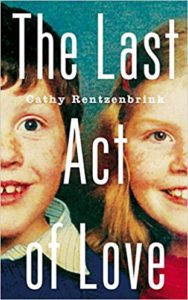
The Last Act of Love: The Story of My Brother and His Sister
Cathy Rentzenbrink-. Told after her brother died, aged 16. It’s a story for anyone who has ever watched someone suffer or lost someone they loved or lived through a painful time that left them forever changed. Told with boundless warmth and affection (Amazon)
Kadian Journal
Thomas Harding-Beginning on the day of 14 year old Kadian’s death, and continuing to the one-year anniversary, and beyond, Kadian Journal is a record of grief in its rawest form, and of a mind in shock and questioning a strange new reality. Interspersed within the journal are fragments of memory: jewel-bright everyday moments that slowly combine to form a biography of a lost son, and a lost life.(Amazon)
Becky: The Heartbreaking Story of Becky Watts by Her Father Darren Galsworthy
Darren Galsworthy-This is the heartbreaking story of the murder of 16-year-old Bristol schoolgirl Becky Watts, a personal and heartfelt account of a crime that shocked the nation in a unique way and tore a family in two.
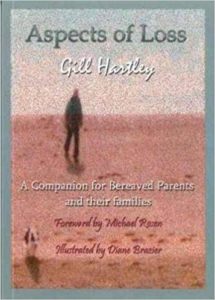
Aspects of Loss-A Companion for Bereaved Parents and Their Families
Gill Hartley- Written from the depths of experience, following the death of her 22 year old son, this book will help any journeying through bereavement and faces full-on the predicament of a culture that does not help bring grief into the open.
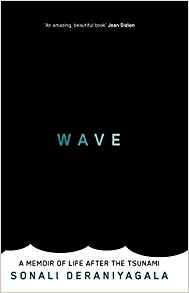
Wave: A Memoir of Life After the Tsunami
Sonali Deraniyagala tells her story – the loss of her two boys, her husband, and her parents – without artifice or sentimentality. In the stark language of unfathomable sorrow, anger, and guilt: she struggles through the first months following the tragedy — someone always at her side to prevent her from harming herself, her whole being furiously clenched against the reality she can’t face; and then reluctantly emerging and, over the ensuing years, slowly allowing her memory to function again.
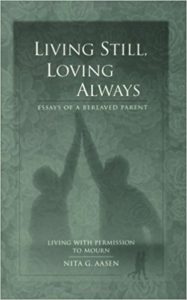
Loving Still, Loving Always
Nita Aasen-This collection of essays illuminates the heart and soul of a mother living with loss after the simultaneous deaths of her two young adult sons, Erik and David, in a car accident on Thanksgiving Day, 1994. In order to make sense of her reality, she writes to confront her grief head-on, to question societal expectations surrounding loss by death, and to explore what would bring comfort and meaning into her radically changed life. By giving voice to the grief experience, she also encourages others to give the bereaved permission to mourn.
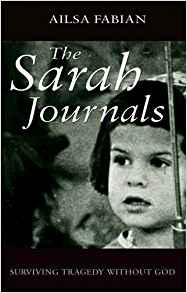
The Sarah Journals: Surviving Tragedy without God
Ailsa Fabian-These are the diaries of an unbeliever. When 5-year-old Sarah Fabian died suddenly, her mother Ailsa had to cope without the consolation of many survivors, who hope to meet their beloved dead again. It presents emotions with a raw directness often lost in retrospective accounts and contributes to the debate about how to live and face death without religious belief.
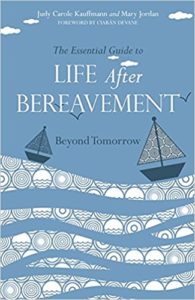
Beyond Tomorrow- The essential Guide to life after bereavement
Judy Carole Kaufmann-The period following the death of a loved one can be a time of great turmoil. This sensitive book acts as a helpful and supportive road map through the initial period of loss, and through the weeks and months that follow.
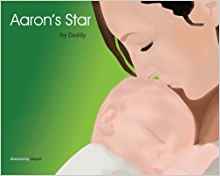
Aaron’s Star
Roark McMaster- The story is written and presented in the format of an illustrated story. It is written to provide comfort and hope to parents, siblings, and families that have experienced loss. The book is written by: Daddy, for Mummy. It could be written by any Daddy for any Mummy that has been through this type of trauma. The book has space for a parent to add their child s name and commit the book to his or her memory.
Time Lived, without its Flow
Denise Riley-Almost hard to read in its objective sadness over the loss of the author’s adult child. However, it is a beautifully written book that has for me, a starting and uplifting conclusion.
Shadow Child: A Novel
Libby Purves-There is no right way to deal with the loss of a beloved son. Marion and Tom are doing their dignified best, but their own relationship is taking a battering.
See you Soon:A Mother’s Story of Drugs, Grief and Hope
Phillipa Skinner-This book is a honest and reflective account of a mother’s story as she faces up to and lives through her son’s death from a heroin overdose in 2007. Skinner is writing for those who are bereaved, those seeking to support people who are, and also, more specifically, for people affected by addiction – whether through a family member, friend or a personal struggle.
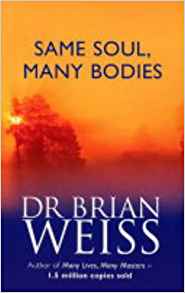
Same Soul, Many Bodies
Dr Brian Weiss-Dr Weiss demonstrates the therapeutic benefits of progression therapy to bring patients more peace, joy and healing, just as he has shown that journeys into our past lives can cure physical or emotional wounds in the present.
Life Touches Life: A Mother’s Story of Stillbirth and Healing
Lorraine Ash-Ash discusses the inner changes she faced after the stillbirth of her daughter and delves into spiritual questions that shook her soul. The final message: Epiphanies emerge from the stuff of everyday experience. Hope is here.
Holy Innocents: Grieving for the Death of a Baby
Margaret Sparshott- This book describes the physical and individual development of the newborn; the different stages of bereavement and how they relate to death before, during, and after birth; and ways in which bereaved parents and other members of the family may be supported by friends, and members of the different professions. Special attention is paid to the beliefs of major religions and how they view the spirituality and death of a baby and minister to the bereaved family.
Grief in Young Children- A Handbook for Adults
Atle Dyregov-For years, I have strongly advised adults to read Grief in Children because I believe it is the most sympathetically written and accessible book on the topic. It is the thoughtful distillation of many years’ clinical experience of working with bereaved children and their families
For the Love of Julie
Ann Ming-In this incredible and moving memoir, a mother tells of her fight for justice to convict her daughter’s murderer for a crime that he thought could never be punished
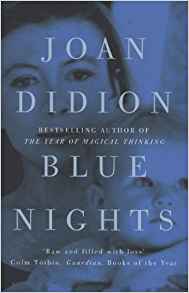
Blue Nights
Joan Didion-‘Ultimately, and unexpectedly for a book about illness and death, this is a wonderfully life affirming book.
Anita, a Memoir
Ann Dunhill-wrote this memoir ‘Anita’ in memory of the author’s beautiful eldest daughter, who tragically died at the age of 35; however, in case you may be concerned that this is a story focusing purely on illness, death and grief, then let me reassure you that this is not the case.
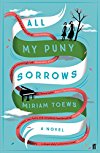
All my Puny Sorrows
Miriam Toews-A novel following 2 sisters. A wonderfu heart-wrenching thought-provoking book about sisters, suicide and whether life is always worth living no matter what.
Beautifully and subtly written, Toews does not deliver the usual life-affirming pap, but the best combination of dark truth and humour.A Beastly Burden
Merel Barends-When I was a teenager, my younger brother took his own life. I never saw it coming.
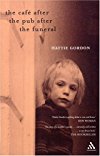
Twenty years too late, I am figuring out how I could have helped him.The Cafe after the Pub after the Funeral
Hattie Gordon- tells the compelling human story of a family in the public eye and how they came to terms with disfunctionality and loss following the suicide death of her 24 year old brother
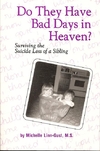
Do they have bad days in heaven? Surviving the Suicide Loss of a Sibling
Michelle Lynn Gust-did a fantastic job in her self-help publication intended for the sibling survivors of suicide.
An Empty Chair: Living in the wake of a sibling’s suicide
Sara Swan Miller- too often, the grief and bewilderment of surviving siblings is simply ignored, leaving the bereaved siblings feeling even more abandoned. The accounts of siblings’ experiences in this book are based on interviews with more than thirty people from all over the United States, as well as the author’s own experience of losing a sister to suicide.
The Eclipse:a memoir of suicide
Antonella Gambotto- an astonishing account of one woman’s experience of love and loss. She wrote this book to show struggle to come to terms with the loss of her beloved brother, the shock, the desolation, the unusual recovery programme, because here is a situation nothing prepares you for.
History of a Suicide: my sister’s unfinished life
Jill Bialosky-The author presents an account of her sister’s suicide, and the lifelong impact that the suicide has had on her own life and the lives of the other members of her family.
Tips from widows
Jan Robinson-It is like a crib sheet of how to cope; it is as helpful to friends of widows as to the widows themselves, and it is written from experience, which is the bedrock of reliable advice
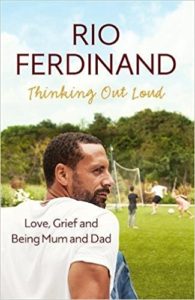
Thinking Out Loud: Love, Grief and Being Mum and Dad
Rio Ferdinand-after the sudden and tragic loss of his wife Rebecca to cancer. Written to help others through their grief, he shares, openly and honestly, the hard journey he’s on with his three young children and the support and advice that’s getting them through.
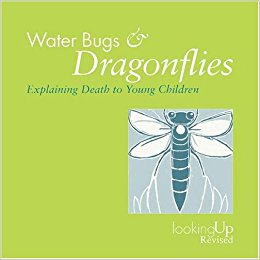
Waterbugs and Butterflies: explaining death to young children
Doris Stickney- this book will help you find the right words…a caring thought…a comforting reflection to communicate compassion in extraordinary ways.
The Compassionate Friends Postal Lending Library

The Compassionate Friends Postal Lending Library is for bereaved parents, their families and those who seek to help them
Visit their website for access to over 1000 books on bereavement;
Compassionate Friends Library
Will Grief Ever Go Away? How to Cope, Heal, and Find Meaning in Loss
Grief can feel like an unbearable weight and a constant ache that touches every part of your life. If you’re reading this, it’s likely because you’re searching for answers, comfort, or simply a way forward.
Does grief ever truly go away? The answer is complex. Grief doesn’t disappear, but it changes.
Over time, with mourning, it can soften and become a part of the story of who we are. As C.S. Lewis wrote in A Grief Observed: "The pain now is part of the happiness then. That’s the deal."
In this article, we’ll explore the transformative nature of grief through Compassion-Focused Therapy (CFT) and psychodynamic approaches. We’ll also address non-death-related grief and how mourning can help us navigate loss while finding resilience, healing, and meaning.
Why Does Grief Hurt So Much?
Grief is painful because it’s more than just the loss of a person or thing—it can also be the loss of stability, identity, and being confronted with unfulfilled hopes and dreams. CFT explains that grief activates our brain’s emotional systems in profound ways:
- The Threat System: Responsible for our fight-flight-freeze response, this system becomes highly active during grief, creating feelings of fear, sadness, and anger.
- The Drive System: Grief disrupts our ability to pursue goals and rewards, leaving us feeling aimless and disconnected.
- The Soothing System: Loss often diminishes our sense of safety and calm, making it harder to regulate emotions.
Psychodynamic theory deepens this understanding, emphasising that grief often brings up hidden fears or long-buried feelings tied to past experiences. These feelings, along with unmet needs—such as the desire to feel loved, valued, or safe—can intensify grief’s emotional complexity.
For instance, losing a parent might not just evoke sadness but also mourning for the unconditional love or approval they were unable to provide at times. This sentiment, shared by many, highlights the profound link between the pain of grief and the beauty and value of love.
In addition to understanding grief through psychological frameworks, it can also be healing to reconnect its meaning to love—whether that love was simple, complex, or layered. When we recognise that loss is painful in the light of love and value, we can bring compassion and meaning to our grief.
Sometimes, people wonder if feeling numb or not experiencing intense pain means they didn’t love enough or that there’s something wrong with the way they’re grieving. This isn’t the case. Pain is just one possible response to grief; acceptance, confusion, detachment, or a mix of emotions are all valid and normal reactions to loss.
Does Grief Get Easier?
While grief doesn’t vanish, it evolves. Over time, it is possible for the sharp edges of pain soften into a quieter, bittersweet presence. Both CFT and psychodynamic approaches emphasise that healing isn’t about "moving on" but about integrating the loss into your life in a way that feels meaningful.
CFT encourages us to meet grief with compassion, creating a safe space to process emotions like sadness, anger, and longing. Psychodynamic theory complements this by inviting us to explore the layers of grief, including unresolved conflicts and unfulfilled expectations.
The Japanese art of kintsugi offers a beautiful metaphor for this process. In kintsugi, broken pottery is repaired with gold, highlighting its cracks rather than hiding them. The result is a piece that is more beautiful for having been broken. Similarly, mourning allows us to embrace grief as part of our story, creating a life that, though marked by loss, carries its own unique strength and beauty.
For a guided reflection, writing can be very powerful, and you may want to explore ways to make sense of your story through writing practices designed for grief. You may also find it helpful to hear from writer Greg Wise on how writing helped him process loss.
What Is Mourning? Understanding Its Role in Grief and Healing
Mourning is the active process of coming to terms with loss. It’s the bridge between the raw pain or shock of grief and the possibility of healing. Mourning isn’t about forgetting or "moving on" but about integrating loss into your identity while creating space for growth and meaning.
From a CFT perspective, mourning involves cultivating a compassionate relationship with your emotions. This means validating feelings like anger, guilt, or longing without judgment. For example, you might mourn the loss of a loved one while also grieving the relationship you wished you’d had with them.
Psychodynamic approaches view mourning as an opportunity to rework unconscious narratives tied to loss. From a psychodynamic perspective, we can acknowledge that there may be narratives and meanings outside of our conscious awareness.
Through gentle engagement with our emotions, we may uncover these hidden stories, allowing us to process them and move toward healing. By acknowledging both the love and the anger, the fulfillment and the yearning, we can process grief in a way that fosters emotional integration and a renewed sense of self.
The Grief of Non-Death Losses
Grief isn’t limited to the death of a loved one. Non-death-related losses, such as the end of a relationship, the loss of a career, or a life dream that didn’t come to fruition, can evoke equally profound grief. These experiences are often accompanied by feelings of isolation because they may not be as openly acknowledged by others.
For instance, losing a job might stir not only sadness but also a sense of identity loss and financial insecurity. Similarly, a breakup may involve mourning the imagined future with that person, alongside anger, regret, or guilt.
Living With Grief: How to Navigate Each Day
Living with grief means learning to carry it while continuing to engage with life. Here are actionable steps drawn from CFT and psychodynamic insights:
1. Validate Your Emotions
Grief encompasses sadness, anger, guilt, longing, and sometimes even relief. It can help to practice acknowledging your emotions without judgment. They are natural and valid responses to loss. Each time you practice, it will become a little easier to validate yourself.
2. Cultivate Compassionate Self-Talk
When grief stirs self-critical thoughts like "I should be over this by now," respond with kindness. Ask yourself, "What would I say to a dear friend feeling this way?" We can all find it tricky to be self-compassionate at times, so if this feels difficult to access, try to connect to compassionate people in your life or through support groups or therapy.
3. Honour Your Loss Through Rituals
Rituals like reflective writing, lighting a candle, or creating a memory box can help you process grief and connect to what matters to you in meaningful ways.
4. Engage Your Soothing System
Practice activities that bring calm, such as mindfulness, spending time in nature, or connecting with loved ones. Soothing rhythm breathing can be a helpful place to start.
5. Seek Connection
Grief can feel isolating, but you don’t have to face it alone. Trusted friends, support groups, or therapy can provide the space you need to share your story and feel understood. Find out more here.
How long does grief last?
Grief doesn’t have a set timeline. It evolves over time and may soften, but it remains a part of who we are. Healing is not linear, and everyone’s journey is unique.
What’s the difference between grief and mourning?
Grief is the internal emotional response to loss, while mourning is the external process of expressing and working through those emotions.
What Does It Mean to Grieve Well?
Since grief is so individual, this ultimately is a personal question and down to you to decide for yourself. However, if you are curious about what others have found helpful, and what the psychological theories and clinical practice suggests, then this is one way to make sense of it.
To grieve well is to honour the pain of what you’ve lost while staying open to the possibilities of what’s still to come. CFT sees this as an opportunity to build resilience and compassion, while psychodynamic approaches view it as a chance to rewrite old narratives tied to your loss.
Grieving well could mean creating a life that honours both the pain of what you’ve lost and the possibility of what still lies ahead.
Grief can transform. Like kintsugi pottery, the cracks left by loss become part of your story, adding depth and beauty to who you are. Mourning could allow you to turn toward your pain with compassion, finding strength in vulnerability and meaning in the love you carry forward.
Author Bio
Dr Eve Meredith da Silva is a Clinical Psychologist at The Oak Tree Practice. She specialises in therapies such as compassion focused therapy, trauma-focussed therapy and mindfulness-based cognitive therapy approaches.